- All
- Product Name
- Product Keyword
- Product Model
- Product Summary
- Product Description
- Multi Field Search
 English
 |


| Quantity: | |
|---|---|
A seafood dryer is a device that creates an optimal drying environment for seafood by precisely controlling parameters such as temperature, humidity, wind speed, and time. It is fundamentally different from traditional sun drying or ordinary hot air drying, as it is specially designed for the characteristics of seafood.
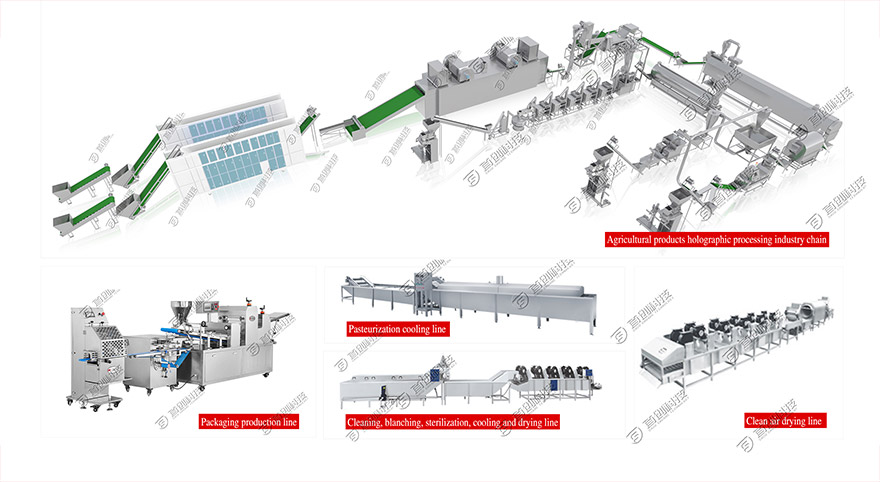
Key advantages of using the first seafood dryer
Superior quality: bright color, full form, rich aroma, high selling price.
Extremely efficient: drying can usually be completed in a few to ten hours, which is a fraction or even shorter than the sun exposure time.
Safety and hygiene: Conducted in a sealed environment, free from mosquito and dust pollution, while killing bacteria and insect eggs, in compliance with food hygiene standards.
Unrestricted: Can operate 24/7, unaffected by weather, season, day and night.
Easy to operate: Intelligent control, automatically completed after setting parameters, reducing labor costs and intensity.

Our clients

FAQ
1.What are the most important core parameters to consider when making a purchase?
Capacity: How many kilograms of fresh ingredients can be processed per time/day? This is the primary basis for selection.
Temperature and humidity control range: Does the temperature range meet all processes from low to high temperatures (such as slow drying at low temperatures for sea cucumbers)? Is the dehumidification ability strong?
Equipment material: Are the core components (drying room, drying car, tray rack, heat exchanger) made of corrosion-resistant stainless steel?
Heat source method: Choose the most economical type based on local energy prices (electricity, gas, steam).
2.Why do dried products exhibit "external dryness and internal wetness", surface crust or oil shrinkage?
External dryness and internal humidity: Excessive temperature or wind speed can cause surface moisture to quickly evaporate and form a hard shell, preventing internal moisture from being discharged.
Surface crust: Initial temperature is too high and humidity is too low.
3.How to determine if seafood has been dried properly?
Sensory judgment: It feels dry and hard, has toughness, and is not easily broken when bent. Has a unique dry aroma of the species.